

An Almost Forgotten Pleasure
Resurrected For 21st Century Healing & CalmFeatured
-
1
Amazing
Experience -
>44K
Happy
Feet -
WOW!
8+ Years -
100%
Satisfied
Clients
An Ancient, Soothing Ritual Reborn For the 2020s
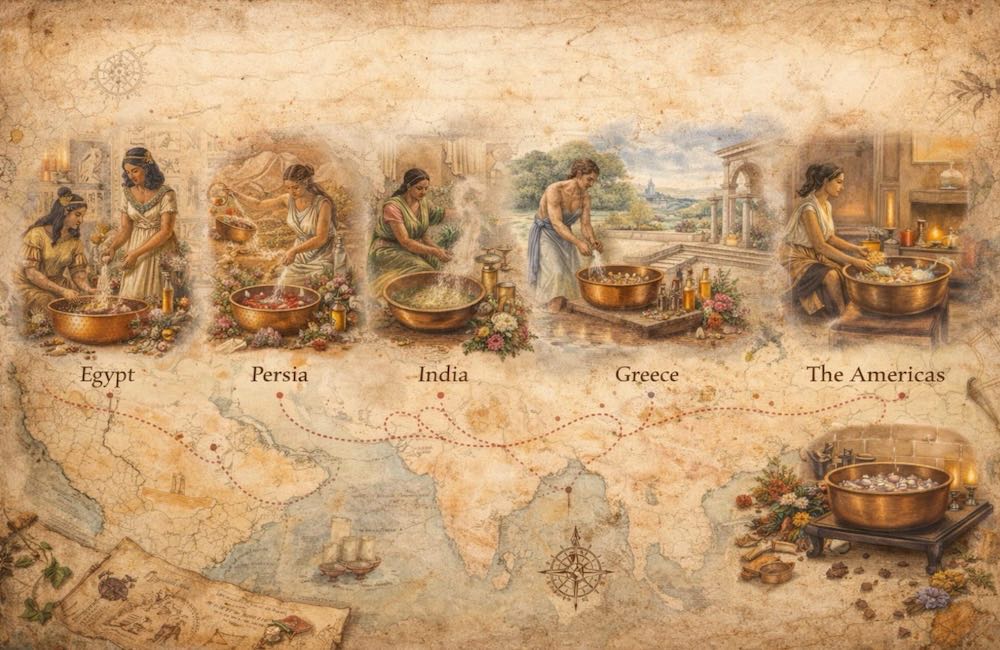
Throughout history, the world’s most powerful civilizations shared a quiet luxury known only to kings, queens and the wealthiest elite. In palace courtyards, temple gardens & shaded estates, attendants prepared warm copper basins filled with fragrant oils, crushed herbs, citrus and rare spices imported from far & wide. More than simple foot bathing, it was moments of restoration, refinement and privilege reserved for the very few who could afford the rare ingredients transported across ancient trade routes.
In Egypt, Persia, India, Greece, Rome and beyond, this simple ritual of soaking tired feet in warm aromatic, healing waters became a symbol of comfort and status. Over centuries, this lovely ritual faded from everyday life, surviving only in fragments of historical record & cultural memory.
Today this ancient joy is quietly reviving... and no longer the exclusive domain of Gods, Royalty & Elite. You should re-discover something the greatest dynasties knew. Come and be pampered like royalty in our sanctuary.
Prehistory: Toulouse, France
Long before written history, early hunter-gathers discovered the simple comfort of warm water after long days of travel and hunting. While their rituals were primitive compared to the elaborate traditions that would follow, the instinct to soothe tired feet appears to stretch far back into humanity’s earliest days... possibly even deep into the age of our Neanderthal cousins.
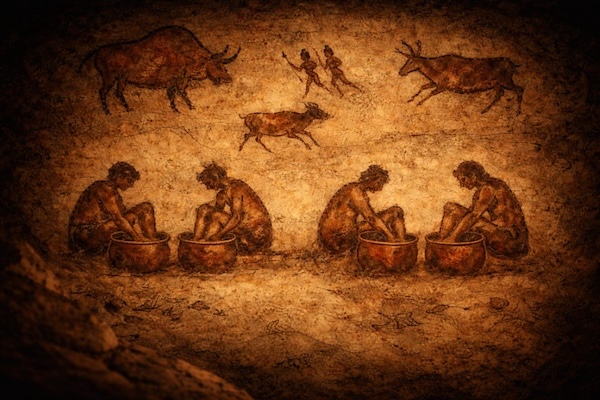
Estimated 16,000–28,000 BCE
Egypt: Oils of the Pharaohs
In ancient Egypt, perfumed bathing was closely associated with royalty and temple life. Oils of lotus, myrrh, frankincense and desert herbs were imported from distant lands and blended with warm water for ritual cleansing. Servants prepared copper and bronze vessels in palace chambers where noble families would wash away the heat and dust of the day.
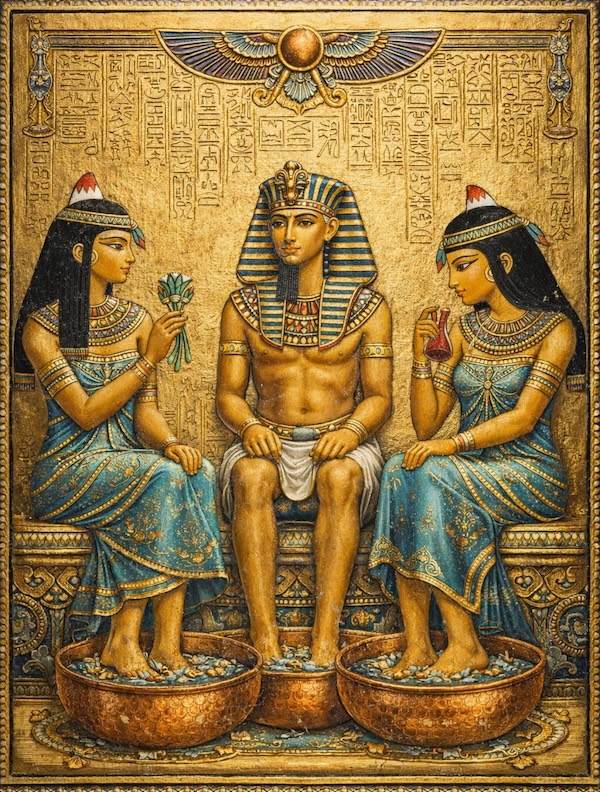
3rd-5th Dynasty 2,686-2,345 BCE
Egyptian writings and artwork frequently depict attendants pouring oils and perfumes during bathing ceremonies. These rituals were believed to restore balance to the body while honoring the gods through cleanliness and fragrance.
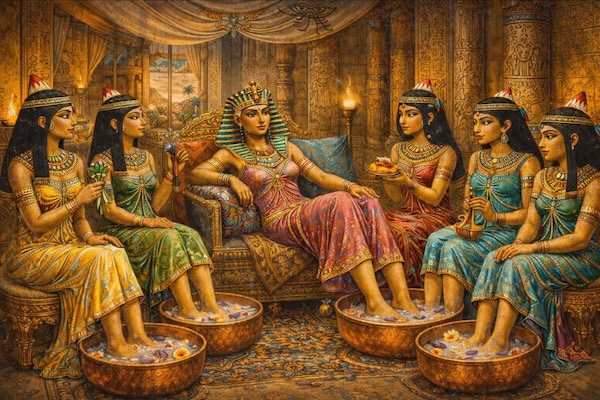
11th or 12th Dynasty 2,134-1,803 BCE
Mesopotamia and Sumer: Waters of the First Cities
In the earliest cities of Mesopotamia- including Sumer and Babylon- aromatic resins and herbs were treasured commodities. Traders carried cinnamon, cassia and rare plant extracts great distances across deserts and rivers. Within the homes of rulers and priests, these ingredients were steeped in warm water for cleansing rituals that symbolized purification and renewal.
Clay tablets from these early civilizations describe preparations of oils and botanicals used for washing the body. While the exact methods varied, the combination of warm water, fragrant herbs and metal vessels appear repeatedly throughout ancient texts.
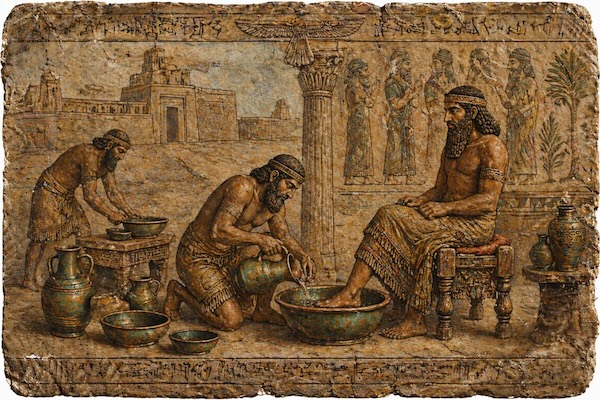
Old Babylonian period 2,600-1,800 BCE
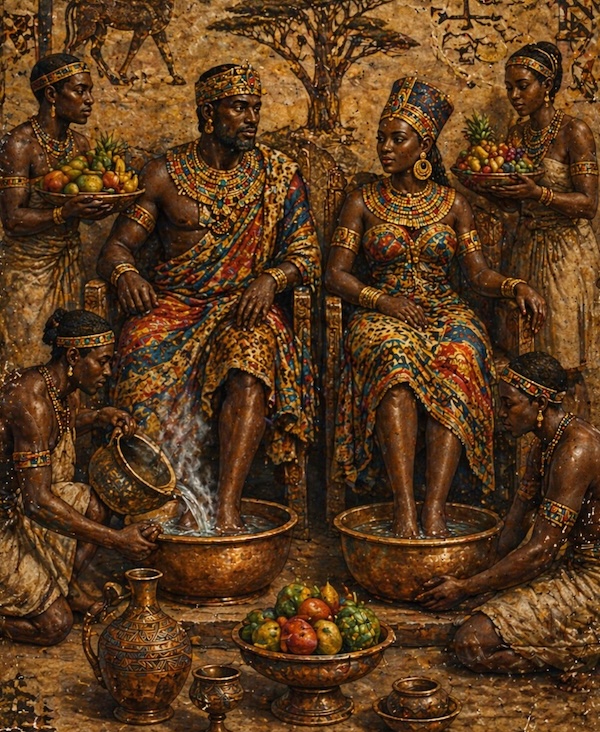
Africa: Restorative Waters of the Great Deserts
Across regions of Africa, early traditions included herbal bathing practices intended to restore the body after travel across hot landscapes. Oral histories describe warm water infused with local botanicals used to soothe tired muscles and relieve the fatigue of long journeys.
These simple-but-thoughtful preparations reflected an understanding that warm soaks could calm the body & refresh the spirit.
Among several ancient African societies, water rituals carried both practical and symbolic meaning. Communities across the Nile Valley, the Sahel and southern regions of the continent developed traditions in which heated water, mineral salts and fragrant leaves were used for cleansing, healing and renewal. In parts of southern Africa, oral traditions associated with groups such as the Nama and other Khoisan peoples of the Namib region describe restorative bathing practices following long migrations across desert terrain. Such customs reveal a longstanding appreciation for the restorative power of Copper and warm water- an idea that echoes through MANY cultures across the centuries.
India: Ayurvedic Traditions
Ancient India developed one of the world’s most enduring wellness traditions through Ayurveda. Texts dating back thousands of years describe herbal baths, oil infusions and copper vessels used for cleansing rituals.
Copper was widely valued in Ayurvedic practice and many households stored water in copper containers. Herbal soaking rituals using ginger, turmeric, neem and aromatic oils were believed to balance the body’s natural systems while encouraging relaxation and circulation.
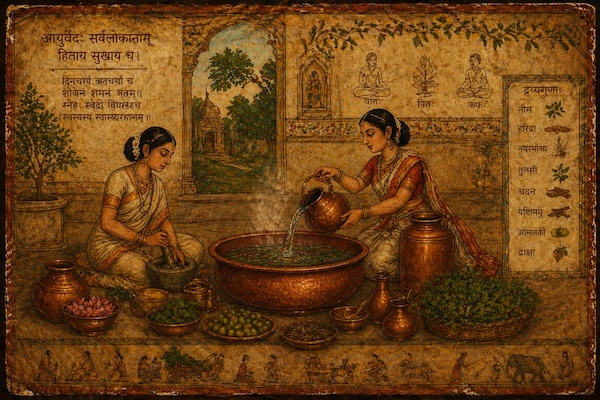
Northern India 1,500-1,700 CE
Greece: Philosophy of the Bath
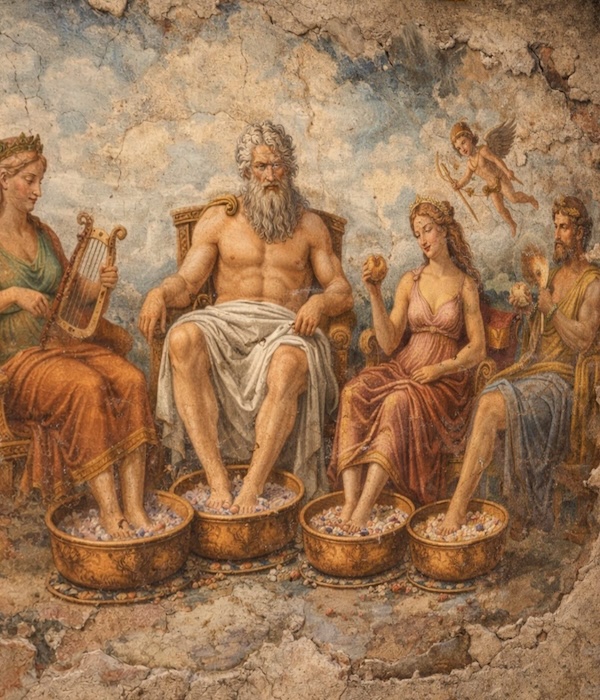
Greek philosophers and physicians often spoke about the importance of bathing for health and comfort. Wealthy households employed attendants who prepared warm basins infused with herbs such as rosemary, thyme and lavender.
These bathing practices were commonly performed before social gatherings or after long travel. For the elite classes bathing was not simply hygiene but part of a broader philosophy of physical balance and well-being.
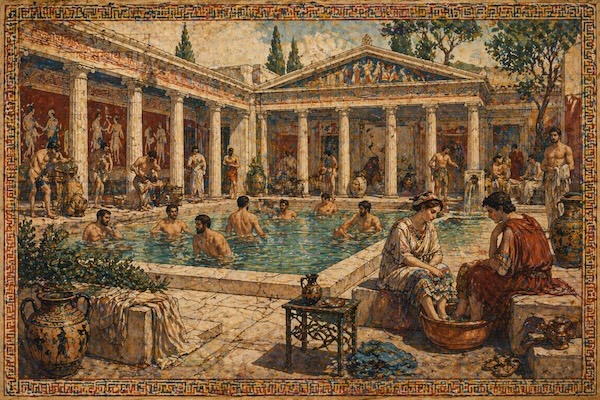
Greece 200-100 BCE
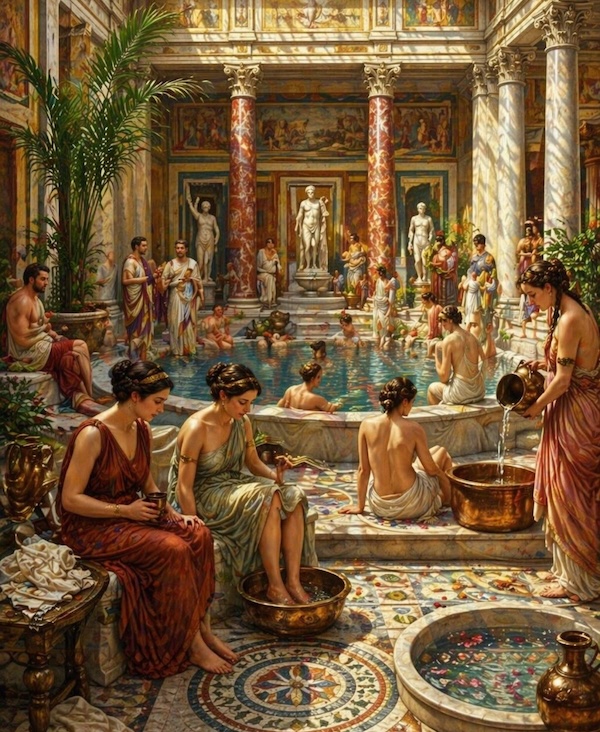
Rome: The Pinnacle of Bathing Luxury & Decadence
No civilization embraced bathing culture more fully than the Romans. Their famous- sometime infamous- bathhouses became centers of relaxation, conversation and social life.
While public baths were common, the wealthiest Romans maintained private bathing rooms within their villas. Servants prepared scented waters and oils in metal vessels before guests entered marble bathing chambers warmed by ingenious heating systems.
These private rituals were often the most luxurious of all, combining warm soaking, aromatic oils and attentive service.
Roman bathing culture extended far beyond simple hygiene. The bath complex itself was carefully designed as a sequence of experiences—warm rooms, hot rooms, cold pools and quiet resting areas—each intended to refresh the body in different ways. Guests might be massaged with perfumed oils, scraped clean with bronze strigils or offered wine & conversation while attendants refreshed basins of warm water.
Within these elaborate settings, smaller personal rituals such as foot soaking were also common, particularly for travelers or honored visitors arriving at a household. Copper bowls filled with warm water, herbs and fragrant oils offered a gentle comfort after long journeys on Roman roads. In villas across the empire, such scenes reflected both the Roman love of leisure and their deep appreciation for the restorative power of warm water.
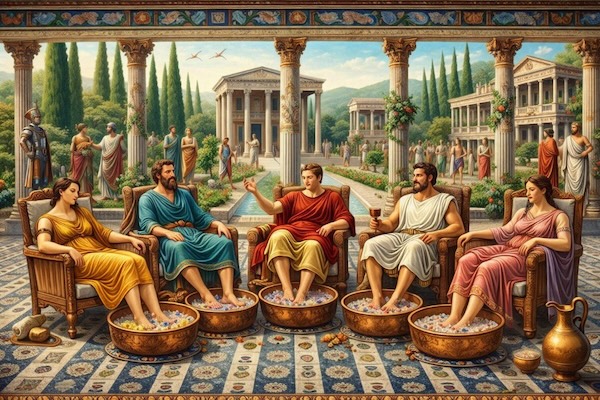
Mediterranean region, likely Romanized Greece or Italy 100 BCE–100 CE
Persia: Rich Fragrances & Refinement
In ancient Persia, the luxury of perfumed bathing reached extraordinary heights. Rosewater, saffron and citrus oils traveled along the Silk Road and were prized among the nobility.
Persian courts were famous for refined bathing rituals that involved fragrant water preparations and elaborate cleansing traditions designed to calm the body and uplift the senses.
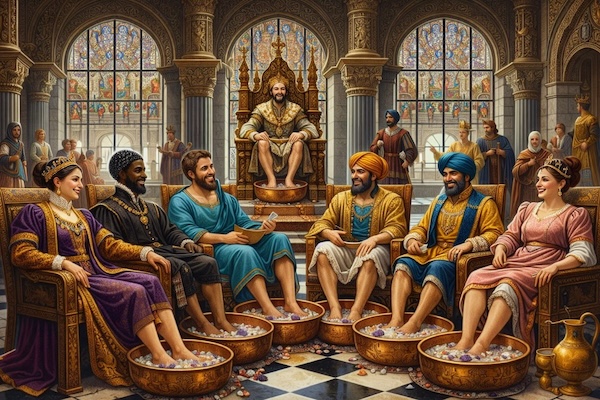
Achaemenid Persian Empire 500-300 BCE
The Americas: Herbal Traditions in the New World
Across the ancient civilizations of the Americas, bathing traditions also played an important role. The Maya and Inca used herbal waters and botanical infusions drawn from local plants and flowers.
While the materials differed from those used in Eastern Hemisphere, the principle remained the same. Warm water combined with aromatic botanicals created a restorative experience valued by leaders and elites.
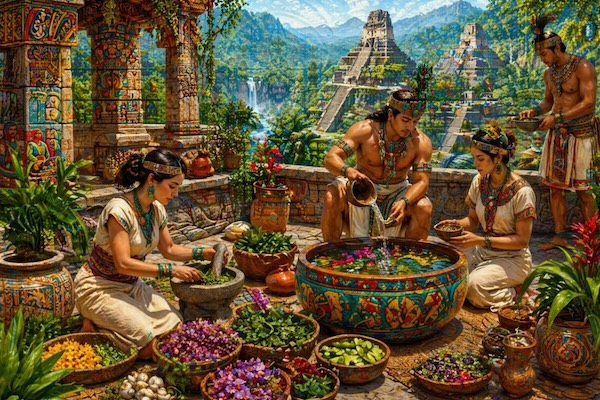
Central America 900-1,400 CE
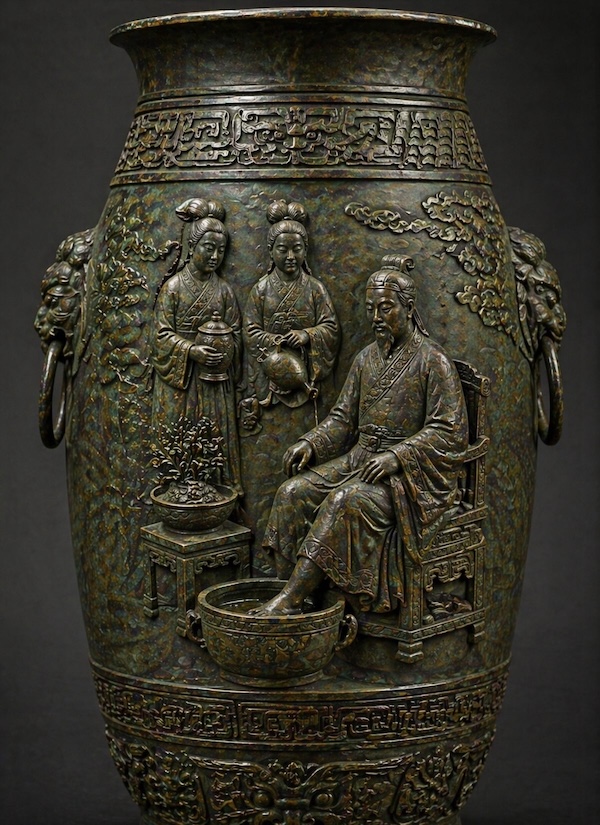
Asia: Foot Soak Rituals of the Silk and Spice Roads
Over in the far east at an important start of the spice and silk road, ancient Asia developed its own refined traditions of bathing and restorative soaking. In imperial courts across China, Korea and neighboring kingdoms, warm copper and bronze basins were prepared with flower petals, fragrant teas and medicinal herbs prized for their soothing properties.
Merchants arriving from long journeys across the Silk Road often encountered these rituals in the homes of wealthy officials and nobles. Servants would prepare heated water infused with jasmine blossoms, chrysanthemum, ginger root and rare imported spices before guests entered private courtyards or palace chambers. These quiet ceremonies were intended to restore circulation, ease travel fatigue and refresh the spirit after difficult journeys.
Chinese court paintings and decorative scrolls sometimes depict nobles seated in elaborate robes while attendants prepare bowls of warm water and botanicals. Such scenes reflected the broader philosophy of balance and harmony that shaped much of eastern medicine and courtly life. Like the bathing traditions of other great civilizations, these rituals blended comfort, hospitality and status into a moment of calm refinement.
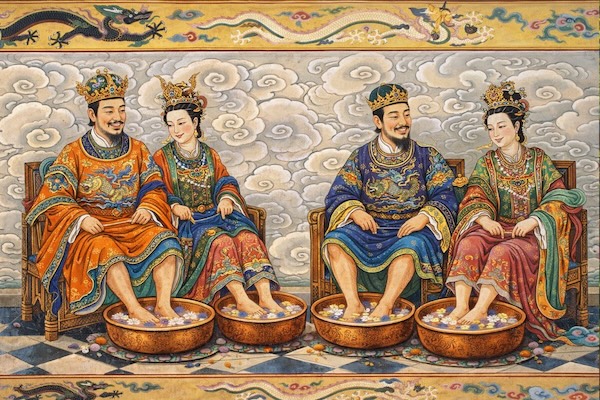
East Asia 1,300–1,700 CE
A Luxury Reserved for the Few
Across civilizations- even in disconnected hemispheres- one theme appears again and again. The ingredients required for these rituals were expensive and difficult to obtain. Oils, herbs, spices and fragrant resins were traded across continents and guarded as precious commodities.
For most people, such comforts were beyond reach. Warm soaking rituals infused with oils and botanicals were luxuries, reserved primarily for royalty, nobles and the wealthiest members of society.
Over time, many of these traditions faded, as modern world chaos overran & displaced them... and simpler habits driven by hectic schedules deprive us of the great ceremonial rituals of the past... even when some- like this one- became more affordable. And that's a shame... because the new is NOT always better than the old. Newer generations just sometimes forget to persist some of the best parts of life... losing touch with classical pleasures.
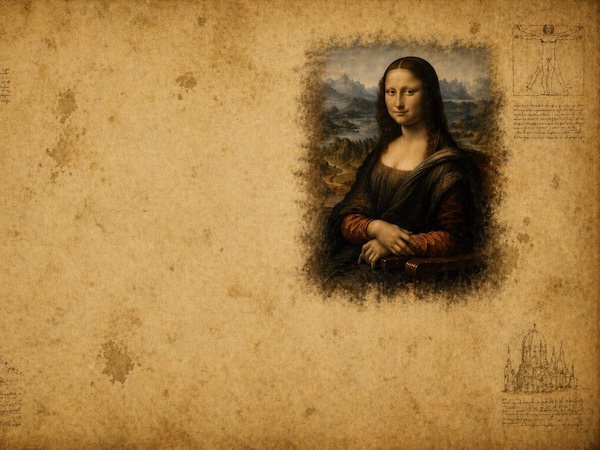
FINALLY SOLVED!
Scholars have long debated the fundamental source of THAT smile. New evidence & cutting-edge A.I. have FINALLY revealed all. Elitest caretakers allow the public to view only a small portion of the complete masterpiece, concealing her secret for centuries. But click the button to reveal all if YOU must know.
WARNING: YOU CAN'T UN-SEE THIS SECRET ONCE SEEN
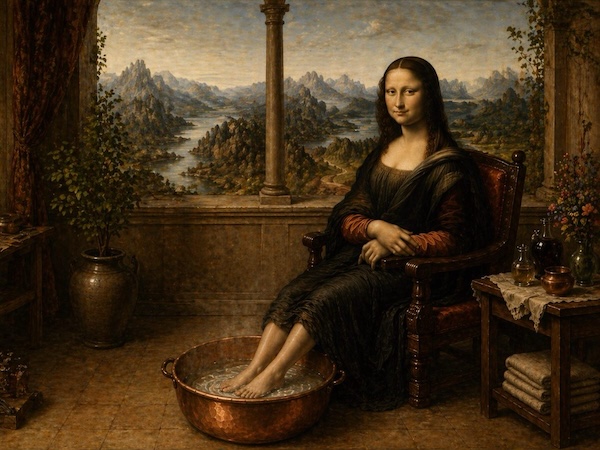

Fortunately, historians and wellness practitioners have begun rediscovering the importance of these ancient practices. Warm water relaxation, aromatic botanicals and natural materials like copper remain deeply soothing experiences even today. And EVERY modern man & woman covets a little time to let go, decompress, relax & recharge. The biggest problem is we usually don't quite know how... and we're here to correct that.
Reimagining the Experience for the 21st Century
Inspired by these traditions from across history, we created the Temple Foot Sanctuary in 2018, reimagining this ancient, magical experience for OUR place in the human story. We believe that if you could communicate with ancestors who once enjoyed this enchanting experience, it would certainly be a BIG part of "good old days" reminiscing, recalled with great fondness. They would probably scold modern civilization for mostly forgetting about it... or at least the OPTIMAL way to enjoy it.
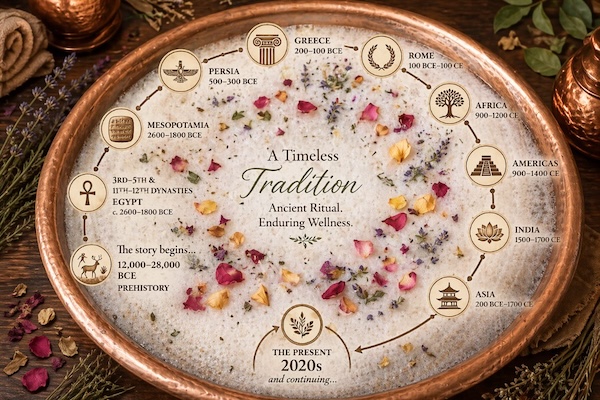
With great technological advancement, we now understand the hard science of it all, particularly the healing power of Copper. You see this recognized in other, heavily-promoted products such as copper compression sleeves, braces, bracelets, ankle & knee supports, supplements and many more. Why?
Science now KNOWS:
- Copper NATURALLY kills many germs & bacteria, while reducing pain & inflammation.
- Its magnetic fields help energy flow through your body.
- By absorbing tiny amounts into the bloodstream, it can bind together with key enzymes aiding hemoglobin creation- an essential protein your body uses to repair & heal itself.
Repair and heal? Take a moment to think about those 2 HUGE benefits! Could your own mind, body, spirit & soul use some repair and healing? Of course!!! So come see us!
A soak in our copper bowls can help achieve a healthier immune system and reduce joint pain. Again, think about those words: healthier immune system and less joint pain. A soak in real copper bowls can draw out (bad) positive ions, neutralizing electrostatic energy. The ions that accumulate around you are then balanced, leaving you better able to fight off environmental pollutants.
And as important as it is- VERY- it's not just about the Copper. Inside the bowl, we expertly blend all-natural, fragrant oils, botanical blends and warm soaking preparations to assemble an elemental elixir once enjoyed only by the courts of kings and queens. They did NOT know the science of it all. They coveted our kinds of professional soaks because of how it made them FEEL... both during the experience and for upwards of days afterwards.
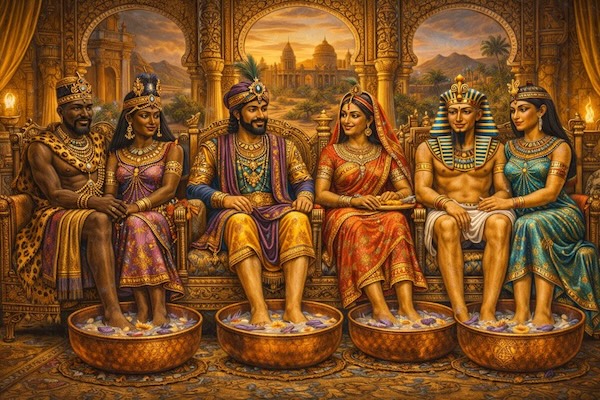
For thousands of years, such indulgences were reserved for the elite few. No longer!
Today, an ancient ritual almost lost in time LIVES AGAIN... and you don't have to rule whole nations to afford it. Even those who are king or queen in a 'nation' of one can experience this special joy.
All of our ancestors- no matter where we trace our ancient roots- knew something... something POWERFUL... that our hectic & hurried, modern society almost lost. 70 to 300 centuries or more of experiences enjoyed millions of times by all kinds of people everywhere can't be wrong.
We invite you to browse our Soak Menu and select a surprisingly-affordable blend from our collection. Then come in and directly experience this beloved, invigorating, calming, detoxifying, rehydrating bit of magic. In just 45 minutes, you'll rejoice at a simple pleasure enjoyed for countless centuries.
From over 8 years of purely 5-star reviews, we already know you'll love it. It's like nothing else. Rediscover the amazing renewal power of a highest-quality foot soak experience... once exclusively the domain of the Wealthy, Royals and Gods.

Healing Zen Appointments
Relaxing, moisturizing, detoxifying, blissful & uplifting soak delights are available every Monday, Wednesday, Friday & Saturday
Walk-ins Welcomed!
Contact Info
Our new location is inside of the amazing Neurostrive Hydration & Med Spa...